Skip to content Skip to footer

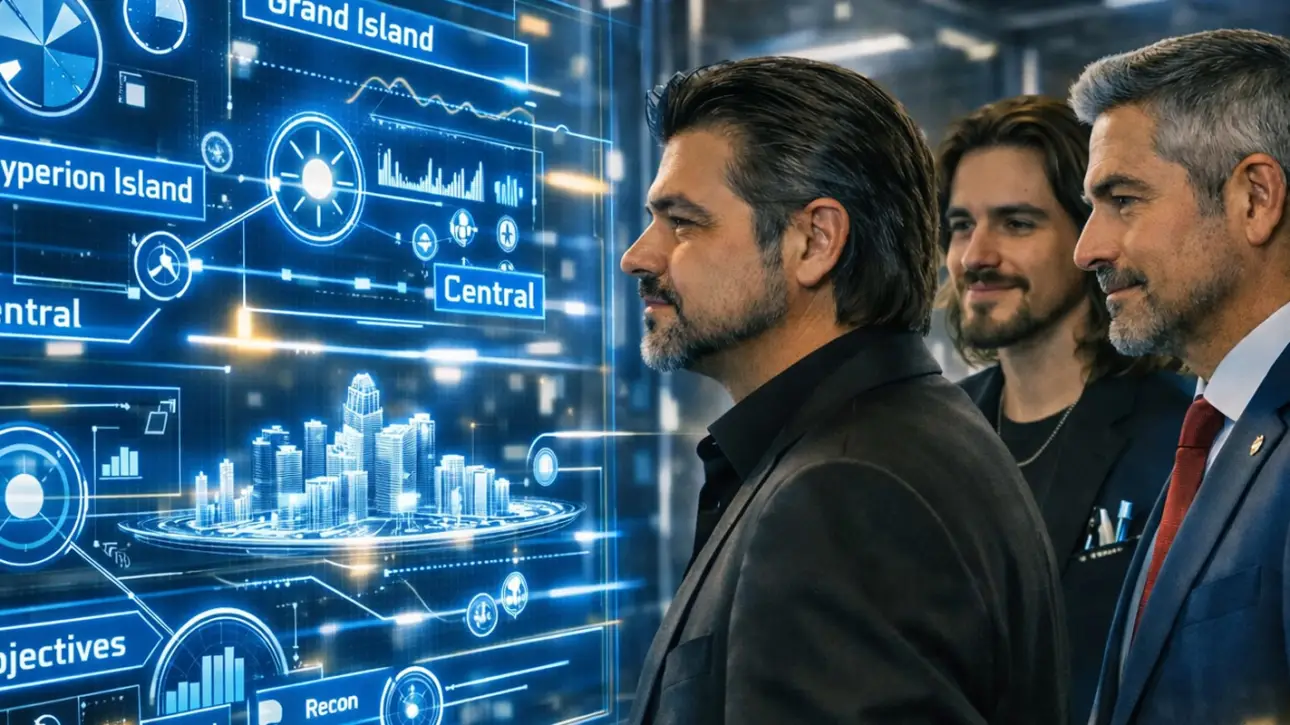
Comments On The Grand Island Casino Project

Q: What do you love most about Grand Island?


A: “It’s like stepping into a digital HD dream!

The vibrant landscapes and sleek design make every moment feel cinematic. You can relax on pristine beaches one minute and attend a futuristic gala the next.”

Q: How does Grand Island compare to other destinations in The Realm?


A: “Grand Island is in a league of its own.

The blend of tranquility and high-energy entertainment is unmatched. It’s the crown jewel of The Realm.”

Q: Would you recommend Grand Island for events?


A: “Without a doubt.

The very first day Fanbase Tickets go on sale I’m going to be the first to experience a virtual concert there I want to be front-row at the biggest event of the year!”


View comments

ZenChip PRIME and Alchemy Studios Create Our Core Project

How Alchemy Studios and ZenChip PRIME Corp. Built The Realm: A New Frontier in Virtual Innovation

When two visionary companies—Alchemy Studios and ZenChip PRIME Corp. joined forces, they set out to create more than just a virtual world. Their shared ambition was to redefine the boundaries of immersive technology, crypto integration, and global finance. The result was The Realm: a groundbreaking artificial reality that seamlessly blends futuristic concepts with cutting-edge technology. Here’s the story of how they brought this extraordinary vision to life and attracted the world’s most innovative crypto companies for partnerships in co-development, core banking, and card issuance.

Conceptualizing The Realm: A Virtual World Like No Other

From the beginning, Alchemy Studios and ZenChip PRIME Corp. envisioned The Realm as more than a digital escape it would be a fully realized economy and society within a virtual space. The goal was clear: to build a self-sustaining ecosystem where users could live, work, create, and thrive, with economic frameworks that bridge virtual and real-world finance.

Immersive Design by Alchemy Studios

Alchemy Studios, renowned for its expertise in digital art, game design, and world-building, took charge of creating an environment that could rival reality. They designed The Realm to offer hyper-realistic landscapes, vibrant cultural hubs, and limitless opportunities for exploration and interaction. The use of next-generation rendering technologies, such as Luna’s rapid rendering and Unreal Engine’s hyper-realism, ensured an unparalleled immersive experience.

The Financial Ecosystem Designed by ZenChip PRIME Corp.


ZenChip PRIME Corp., a leader in crypto technologies and financial innovations, developed The Realm’s financial backbone. They envisioned a world where economic activity wasn’t limited by geographical barriers or traditional financial institutions. By integrating blockchain-based banking systems, NFT transactions, and cryptocurrency exchanges, ZenChip PRIME laid the groundwork for a truly decentralized economy.

Attracting International Technological Blockchain Companies

To realize their vision, Alchemy Studios and ZenChip PRIME Corp. understood the importance of forging partnerships with the most advanced crypto and fintech companies in the world. Through strategic outreach and innovative collaboration models, they succeeded in building a network of co-development partners. Here’s how they did it:

Innovation at the Core

The Realm’s conceptual framework was built around innovation, positioning it as a fertile ground for technological pioneers. Alchemy Studios and ZenChip PRIME invited crypto companies to join the project by showcasing its potential to redefine how blockchain, finance, and virtual worlds intersect.

2. Co-Development Opportunities

Through open co-development programs, partners were offered the chance to build unique functionalities within The Realm. From decentralized marketplaces to tokenized real estate and NFT ecosystems, the possibilities for creative contributions made The Realm a magnet for cutting-edge firms.

RIME’s patented banking systems captured the attention of crypto companies eager to innovate. The Realm’s core banking infrastructure allowed partners to integrate services like digital wallets, decentralized lending platforms, and high-speed cryptocurrency exchanges—all tailored for virtual environments.

Revolutionary Banking Services

ZenChip PRIME Corp’s. Apex Card Issuance Platform Is A Game-Changer
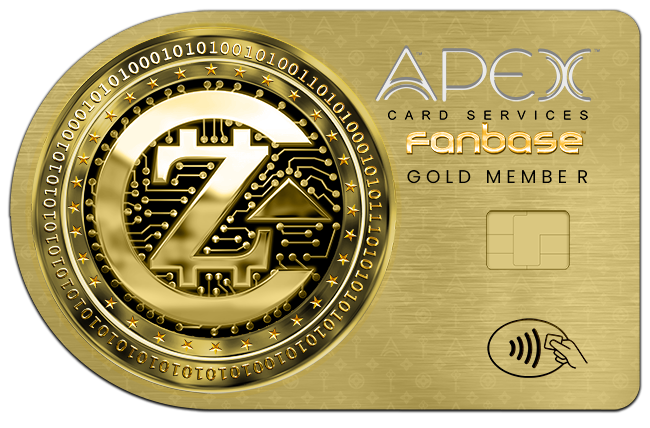
 

One of The Realm’s most revolutionary offerings was the Apex Card, a digital and physical payment solution tied directly to the virtual economy. Crypto companies were drawn to its multi-currency functionality, seamless FIAT-to-crypto conversions, and ability to integrate payment systems within The Realm. The card’s flexibility also enabled users to pay real-world expenses, creating an unparalleled bridge between the virtual and physical worlds.

Sustainability and Transparency

Partnerships flourished under the promise of blockchain transparency and sustainable development within The Realm. By emphasizing eco-friendly crypto practices and traceable systems, Alchemy Studios and ZenChip PRIME aligned with companies prioritizing responsible innovation.

Core Banking Services and a Truly Virtual Economy

The Realm isn’t just a virtual world; it’s a fully functioning economy backed by innovative core banking services:

Frictionless Transactions:

The Realm’s payment systems ensure instant transactions, whether for virtual assets, services, or real-world purchases, powered by ZenChip PRIME’s blockchain technologies.

Multi-Currency Support:

Apex Card holders can operate in multiple currencies including virtual tokens and traditional FIAT and easily switch between them. This flexibility has redefined banking for the digital age.

Revenue Opportunities:

Users and businesses in The Realm benefit from built-in systems for earning real-world income, whether through renting virtual properties, selling NFTs, or providing professional services.

Apex NFT Card Loyalty and Rewards Programs:

The Fanbase rewards system allows users to earn and redeem points across both virtual and real-world platforms, incentivizing engagement and creating a seamless economic ecosystem.

The Future of The Realm

The collaboration between Alchemy Studios and ZenChip PRIME Corp. represents a landmark moment in the evolution of artificial realities. By attracting the world’s top crypto companies, these two innovators have ensured that The Realm remains at the forefront of technology, finance, and entertainment. Together, they’ve created a thriving virtual economy that empowers users, businesses, and developers alike.

As the network of partnerships continues to grow, The Realm’s potential is boundless—an artificial reality that’s not just imagined, but fully realized. Whether you’re an investor, a creator, or a dreamer, The Realm invites you to step into a future where anything is possible.

Leave a comment

Varied cryptocurrencies

Why Owning Land Titles In The Realm Could Be The Next Viral NFT

And Here’s Why..

NFT and consequently Land Titles in The Realm are making a strong comeback and possibly could go viral because they offer a compelling mix of real-world value, hard asset backing and blockchain-driven proof of ownership.

1. A Gold-Backed Security  

Unlike speculative digital assets, these NFT land titles are backed by gold, providing intrinsic value and stability. This makes them more attractive to investors who seek tangible security.

2. Blockchain Transparency & Ownership Proof 

Blockchain metadata ensures immutable proof of ownership, reducing fraud and disputes over absolute ownership by ledger, time-date stamp verification.

This technology-driven approach enhances trust and efficiency in land transactions. HERE

3. Fractional Ownership & Accessibility

NFTs allow for fractional ownership, meaning multiple stakeholders can invest in a single property. This opens up real estate investment to a broader audience, making it more accessible HERE

4. Instant & Borderless Transactions

Traditional land transactions involve lengthy legal processes With NFT Land Titles, ownership transfers can happen instantly and across borders, making real estate investment more fluid and global. HERE

5. Integration with Virtual & Physical Applications 

The Realm could leverage these NFTs to bridge digital and physical land ownership, creating a hybrid economy where virtual land has real-world backing and utility. HERE

This resurgence could be fueled by growing interest in asset-backed digital investments and the increasing adoption of blockchain in real estate. If marketed effectively, NFT land titles could become a viral trend, reshaping property ownership in The Realm.

Would you personally invest in one? 

Leave a comment

The Realm can transport you through time

The Realm holds the potential to transport avatars through virtual time and space by leveraging immersive technologies, creative storytelling, and advanced simulations. Here’s how:

 
Virtual Time Travel:
  • Our platform can recreate historical periods or futuristic scenarios using detailed 3D environments and AI-driven narratives.
  • Avatars can step into virtual worlds that replicate ancient civilizations, iconic moments in history, or speculative visions of the future, experiencing them as if they were physically present.
Simulated Worlds:
  • Through The Realm, avatars can instantly shift from one location to another using portals or teleportation features.
  • This enables exploration of diverse environments, from bustling virtual cities to serene landscapes, without limitations.
Cultural Exchange:
  • The Realm can allow avatars to “visit” virtual representations of cultures or countries, experiencing their traditions, art, and history firsthand. This provides a way to explore and learn in unique ways.

By combining visual immersion with rich storytelling and social interaction, the metaverse creates opportunities for avatars to travel through virtual time and space in ways that defy the physical world. Where would you like your avatar to journey first

Leave a comment

How Governments Are Trying To Dictate How, What and If You Purchase Digital Assets

WARNING!

We're from the government and we're here to help.

In recent years, the crypto community has grown increasingly vocal about government interference that appears less about protecting consumers and more about consolidating control. Many crypto enthusiasts argue that actions aimed at dictating who can own, manage, or trade digital currencies clash with the fundamental ethos of decentralization.

This wave of overreach has not only sparked regulatory debates but also deepened the community’s suspicion that these measures undermine the very spirit of innovation that cryptocurrencies represent.
Critics point to efforts that push so-called compliance measures often perceived as arbitrary and misaligned with the open nature of blockchain technology as a prime example of misguided regulatory tactics.

For many, the repeated imposition of rules that force crypto users into predefined categories or registration systems signals an attempt to force a centralized framework onto a fundamentally decentralized system.

This approach is seen as a deliberate effort to keep the emerging digital economy tethered to traditional control mechanisms, thereby stifling the organic growth and financial freedom that crypto originally promised.

The resulting climate of distrust is palpable. Enthusiasts and developers alike express concerns that these heavy-handed tactics could lead to a chilling effect on innovation, pushing creative minds away from spaces where they once felt empowered. Instead of catalyzing a balanced regulatory environment that nurtures technological advancement, the current trajectory reinforces the perception that governmental authorities prioritize control over fostering an ecosystem built on mutual trust and transparency.

This sentiment feeds into a broader narrative where government-imposed mandates are viewed not as safeguards but as barriers to progress.


Many in the crypto community are calling for an alternative path forward one that champions self-regulation and industry-led innovation over rigid compliance with outdated frameworks.

They argue that a healthy digital finance space should evolve through collaboration between innovators and policymakers, not by bending to a top-down approach that seems designed to monitor and restrict. The debate underscores a critical tension: the need to protect stakeholders without compromising the pioneering spirit and individual empowerment that define the crypto ethos.

Ultimately, public opinion within the crypto sphere reflects a growing reluctance to accept enforced oversight as a necessary price for security. There remains a firm belief that true progress in digital finance can only come when the balance shifts away from government control, and towards an environment where innovation, privacy, and freedom take center stage. This distrust born from perceived overreach is not merely a reaction to current policies but a clarion call for regulatory frameworks that respect the unique dynamics of the digital age.

Exploring further, one might consider how other emerging technologies face similar battles over regulatory control and what lessons the global community could learn from cases where innovation triumphed over resistance.

There’s also a rich discussion to be had on the impact of decentralized finance (DeFi) projects that thrive despite or because of the absence of heavy regulatory handholds.

Leave a comment

How Digital Assets Became a Target of (Regulation)

anyone ask to be (regulated)?

The U.S. government has taken a complex and evolving stance on cryptocurrency and NFTs (Non-Fungible Tokens), particularly regarding their broad classification and attempted (Regulation).

While there has been several outright attempt to “shut down” cryptocurrency exchanges, and trading platforms, regulatory bodies like the SEC (Securities and Exchange Commission) and IRS (Internal Revenue Service) have sought to impose stricter oversight, often sparking controversy and debate. Here’s a detailed breakdown:

1. NFTs as Securities

The SEC has argued that certain NFT’s could be classified as securities under U.S. law. This stems from the application of the Howey Test, a legal framework used to determine whether an asset qualifies as an investment contract (and thus a security). Which under this test…A Barbie Doll from 1965 or a Pete Rose MVP Baseball Card could in fact be a security, which is absolutely crazy. If an NFT is marketed with the promise of future profits derived from the efforts of others, such as royalties or revenue-sharing agreements, it could fall under the SEC’s jurisdiction…Just like the Barbie Doll and The Pete Rose Card’s Expected Value increasing over time as an NFT. By the way…That also means….you know that 1977 Vegas Show Elvis Plate your Grandma left you is also a security for the Government to (Oversee) and (Regulate) to Death.

This classification would subject NFT’s to the same regulatory requirements as traditional securities, including registration, disclosure, and compliance with anti-fraud provisions. In Government Lingo that means “They want their cut and to tell you…(The Consumer) what’s best for you and where to mail their cut for doing absolutely NOTHING for it…As usual.

Critics like us argue that this approach stifles innovation and imposes burdensome requirements on creators and platforms like The Realm and countless others.

2. Cryptocurrency Regulation and “Operation Chokepoint 2.0”

In the past, there have been allegations that the U.S. government indirectly targeted cryptocurrency companies through banking restrictions like Ripple Labs. This was likened to “Operation Chokepoint,” a controversial initiative during the Obama administration that sought to cut off banking services to industries deemed high-risk…And THEY DID!.

Some crypto advocates claim that similar tactics were used to limit access to banking for crypto firms, effectively curtailing their operations, administratively closing their accounts, refunding their bank account balance and giving them the “Bums Rush” out their (REGULATED) Bank Door. Even though most “Banks” have been caught (Red Handed) Committing Loan Fraud, Bank Fraud, Security Fraud, Lending Fraud and Creating “Dummy” Accounts to store their profits they were stealing from us all during the Housing Bubble. But as long as its “Just Standard Banking Practices” It’s OK.

3. IRS and Taxation

The IRS has also played a significant role in attempting to (REGULATE) Cryptocurrency and NFTs by treating them as property for tax purposes. This means that every transaction involving crypto or NFT’s whether buying, selling, or trading is a taxable event.

Critics like us argue that this approach creates a complex and often punitive tax environment, discouraging mass adoption and stifling  innovation. After All…The IRS has been found to have been stealing Trillions of dollars from the American people for a hundred years or more…You know…Getting THEIR “Fair Share” of OUR MONEY! Theft is Theft no matter how you look at it..Unless it’s the government, then its simply called a Tax NOT Theft.

4. Allegations of Fraud and Overreach

Some in the crypto community, like us have accused the SEC and IRS of overreach and even fraud. These allegations often center on covered up transactions, lost FBI reports, people being deceased before their time or lazy enforcement actions and a lack of clear regulatory guidance. For example, the SEC has been criticized for targeting specific projects or companies while allowing others to operate freely, creating an uneven playing field for the people that didn’t donate to their election campaign or play golf with them.

5. Recent Developments

However, under the Trump administration, there was a shift toward a more crypto-friendly regulatory environment, including efforts to “Reclassify” certain digital assets like NFT’s as “Collectibles” rather than securities. However, this approach has not been universally adopted by the same embezzling thieves that donated to the Ukraine’s Money Laundering Scheme and used the FTX to get their cut sent to them back here in the USA, and the regulatory landscape remains fragmented.

6. But THEN!

In the letter exclusively obtained by FOX Business, the lawmakers wrote it has come to their “attention that billions of taxpayer dollars sent to Ukraine to assist with their war efforts were potentially invested in a crypto exchange that then made massive donations to Democrats” during the midterm elections.

Nehls and the Republicans in the GOP wrote the Ukrainian government officially partnered with FTX in March to “launch a crypto donations website, ‘Aid for Ukraine,’ within days of President Joe Biden pledging billions of American taxpayer dollars to assist the country with war efforts against the “Russian Invasion.” Another Bizarre Coincidence.

7. THOSE POOR UKRAINIAN BANKERS

“While this partnership was touted as a way to assist Ukraine in cashing out crypto donations for ammunition and humanitarian aid, we all  had serious concerns that the Ukrainian government may have invested portions of the nearly $66 billion of U.S. economic assistance into FTX to keep Democrats in power, and keep the money train from the fraud they set up coming in,” the lawmakers wrote.

The Republicans wrote that Bankman-Fried “was the second-largest contributor to Democrat-affiliated political action committees (PACS) and organizations, only behind liberal billionaire, George Soros.” Which I’m sure it was just another bizarre coincidence. 

This ongoing tug-of-war between innovation and regulation highlights the challenges of integrating emerging technologies into existing legal frameworks.

Curiously enough despite (All Reason), “Additionally, Gabe Bankman-Fried, brother of FTX’s founder, worked until last year for Democrat Congressman Sean Casten of Illinois, whom By the way…sits on the House Financial Services Committee that oversees cryptocurrencies and Initial Coin Offering (ICO) markets,” the lawmakers added. Much like letting the wolves (REGULATE) The Chickens.


Leave a comment

Cart0
Cart0
Cart0
Go to Top